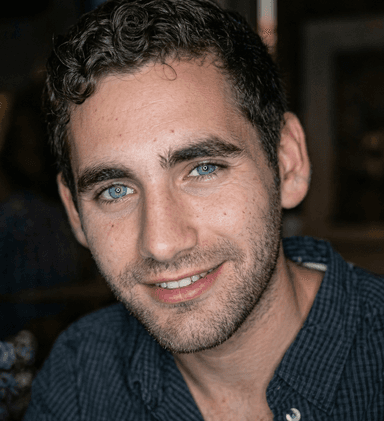
Dor Luzgarten
|
I've been building mobile apps for years across iOS, Android, and Flutter. Over time I also went deep into backend systems - APIs, databases, distributed systems, and everything needed to make products hold up under real load. At some point I got pulled into AI, and today most of my work is focused on agents and automation. I love building systems that can truly run on their own.
Experience
Mobile Development
2018 - 2026
I've built mobile apps for iOS, Android, and Flutter - both native and cross-platform. I've worked on consumer apps at meaningful scale, made architecture decisions, and handled release processes for the App Store and Play Store.
- iOS development in Swift with UIKit and SwiftUI
- Android development in Kotlin with Jetpack
- Cross-platform development with Flutter and Dart
- CI/CD with Fastlane, GitHub Actions, and Bitrise
Backend Development
2020 - 2026
Built and maintained backend services for mobile apps - REST and GraphQL APIs, database work, and third-party integrations. Experience spans both serverless functions and container-based services.
- Design and implementation of REST and GraphQL APIs
- Work with PostgreSQL, Firebase, and Supabase
- Node.js (NestJS), Python (FastAPI), Go (Gin)
- Docker, AWS Lambda, and GCP Cloud Run
AI Agents
2024 -> Today
At a certain point, building regular apps started to feel too predictable. Agents are something else - they think, use tools, and make decisions. With my mobile background, I'm focused on building agents that live inside real applications, not just dev environments or terminals.
- Orchestrating multi-agent systems with LangGraph
- Building RAG pipelines and vector stores
- Tool use and function calling with OpenAI and Anthropic
- Autonomous agents for research, code, and information retrieval
- GenUI in Flutter - interfaces built dynamically from model output
- Apple Foundation Models - on-device models without needing a server
OpenClaw
2026
My personal agent system running on a private VPS. I built the whole stack end-to-end because full control over infrastructure, data, and permissions mattered to me. The system is protected with VPN and firewall layers and connected to the channels I use every day.
- Private VPS - full control over the server and compute
- Secured with VPN and firewall - not directly exposed to the internet
- WhatsApp and Telegram - interacting with agents like a normal chat
- Slack for internal automations and triggers
- Gmail - reading, drafting, and sending email through agents
- Whisper for voice input - speak instead of typing
- Live search and browsing - agents that go check information themselves
- Scheduled runs (Cron) - processes that keep running on their own
- Monitoring dashboard - visibility into what is running and failing
- Multi-model routing across OpenAI, Anthropic, and local models
Second Brain
2026
Everything I read, build, or think about flows into one system. Obsidian is the knowledge base, Claude Code is connected to it, and OpenClaw agents feed it automatically. It is no longer a notes app - it is a system that works for me and keeps things without me having to remember them.
- Agents that push information into Obsidian from chats, email, and browsing automatically
- Claude Code connected to the vault and reading context while I work
- Smart search across the whole knowledge base, not just keywords
- Sync between OpenClaw and Obsidian - agents know what I know
- Automatic summaries and note connections that surface new insights